Relocating to Sandy Springs: Housing and Commute Guide
May 28, 2026
May 28, 2026
Moving to Sandy Springs can look simple on a map, but the day-to-day reality depends on two things fast: where you live and how you plan to commute. If you are relocating for work, more space, or a smoother routine in North Atlanta, you probably want clarity on housing options, pricing, and what life feels like in different parts of the city. This guide breaks down the basics so you can match your budget, home style, and commute needs with the right Sandy Springs pocket. Let’s dive in.
Sandy Springs is not just a suburb. It is also a major job center, with the city reporting that its daytime population more than doubles because of the Central Perimeter business district, which supports more than 123,000 workers.
That mix matters when you are relocating. You are not choosing between a bedroom community and an office hub. In Sandy Springs, you can often live near where people work, while still having access to other parts of metro Atlanta.
Census QuickFacts also give a useful baseline for what daily life looks like here. The city shows a mean commute of 25.8 minutes, a 50.2% owner-occupied rate, a median owner-occupied home value of $619,800, and a median gross rent of $1,870.
Sandy Springs has unusually strong transit access for a northern suburb. The city lists four MARTA rail stations in Sandy Springs: Medical Center, Dunwoody, Sandy Springs, and North Springs.
That rail network connects Sandy Springs to Buckhead, Midtown Atlanta, Downtown Atlanta, and Hartsfield-Jackson Atlanta International Airport. If you want to reduce driving or keep an airport connection in reach, that can shape where you focus your home search.
Bus service adds another layer of flexibility. The city identifies Route 87 along Roswell Road, Route 148 between the medical district and the Northside Drive business district, and Route 5 connecting Sandy Springs with Buckhead, City Hall, and Perimeter Mall.
If you expect to drive most days, road access becomes just as important as home style. Sandy Springs sits along I-285 and GA 400, with I-75 nearby and Roswell Road running through the city.
The city also notes that Hartsfield-Jackson is about 30 minutes away by car. Of course, actual timing depends on traffic, but this gives relocating buyers a practical point of reference.
In Sandy Springs, commute convenience is very pocket-specific. If you want a rail-first lifestyle, your search will usually make more sense near City Springs, Central Perimeter, or the MARTA station areas.
If you are more highway-first, you will likely pay closer attention to access to GA 400, I-285, and Roswell Road. That is why two homes with the same price tag can feel very different in daily use.
Sandy Springs has added a lot of housing in recent years, but not evenly across product types. The city’s housing needs assessment found that from 2011 to 2018, the city added 7,722 new housing units, and 78% of that supply was multifamily rental.
Another 15% was single-family attached townhomes. That helps explain why many relocating buyers see a market with strong condo, apartment, and townhome options in some areas, while detached homes can feel more limited and more expensive.
The same housing assessment found that undeveloped land is limited and that entry-level single-family ownership has become increasingly limited. It also reported that median home values rose 7.5% annually from 2011 to 2019.
Between 2017 and 2019, 81% of attached and detached single-family homes sold above $400,000. In plain terms, your budget in Sandy Springs is often shaped more by product type and location than by the city name alone.
For a recent snapshot, the research report notes a March 2026 median sale price of $570,000 citywide, with reported median sale prices around $1,063,500 for single-family homes, $470,000 for townhomes, and $235,000 for condo or co-op units. That spread reinforces how wide the range can be depending on what you want to buy.
Sandy Springs also has a large multifamily base. The city says it has 96 apartment complexes, with two more under construction, and it now requires annual inspections of multifamily rental housing.
That does not mean the city is renter-dominated, but it does mean renters have real inventory to consider. Census data shows a fairly balanced ownership profile, which can be helpful if you are deciding whether to rent first and buy later.
City Springs is the closest thing Sandy Springs has to a downtown-style focal point. The city describes it as a 14-acre mixed-use development that includes City Hall, the Sandy Springs Performing Arts Center, the Conference Center at City Springs, City Green, restaurants, exercise boutiques, and apartment homes.
If you want a more central feel with convenient access to city amenities, this area is worth a close look. For many relocating professionals, it offers a useful blend of activity, services, and access.
Central Perimeter is the city’s strongest office and employment anchor. It is one of the clearest choices for buyers who want to be close to major job centers or who want stronger rail access for a work commute.
If your routine revolves around office-heavy employment hubs, this part of Sandy Springs often makes the most sense. It is especially relevant if your goal is to shorten a commute instead of maximizing lot size.
The North End and North Springs station area can be appealing if you want a more suburban feel with transit access still in the picture. The city’s North Springs MARTA Corridor Study focuses on walkability, bicycle and pedestrian access, and a concept for transit-oriented development, including a PATH 400 extension concept.
That makes this area worth watching if you want flexibility over time. You may get a more relaxed setting while staying connected to future-oriented transit planning.
Crossroads and the Roswell Road corridor are areas to watch for ongoing change. The city’s Crossroads plan focuses on land use, housing options, transportation, and access across walking, biking, public transit, and automobiles.
The Roswell Road transit access project is also set to add sidewalks, shelters, lighting, crossings, and streetscape improvements in phases starting in 2026. If you value improving connectivity and a corridor with active public investment, these areas deserve attention.
Powers Ferry and Neighborhood Village are part of Sandy Springs’ broader mixed-use framework. They are not usually the first places buyers think of for a rail-based commute, but they still matter as part of the city’s evolving commercial and residential fabric.
For some buyers, these areas make sense because of route access, housing type, or overall feel. They are best evaluated in the context of your specific destination and budget.
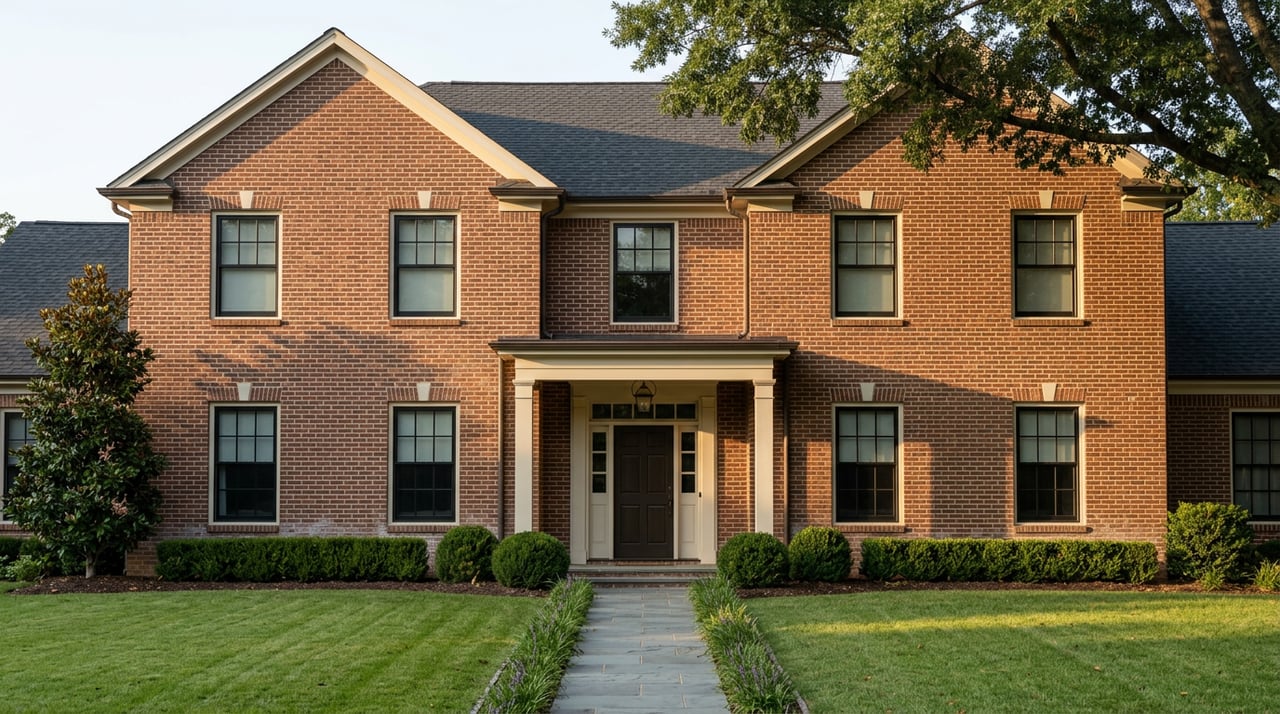
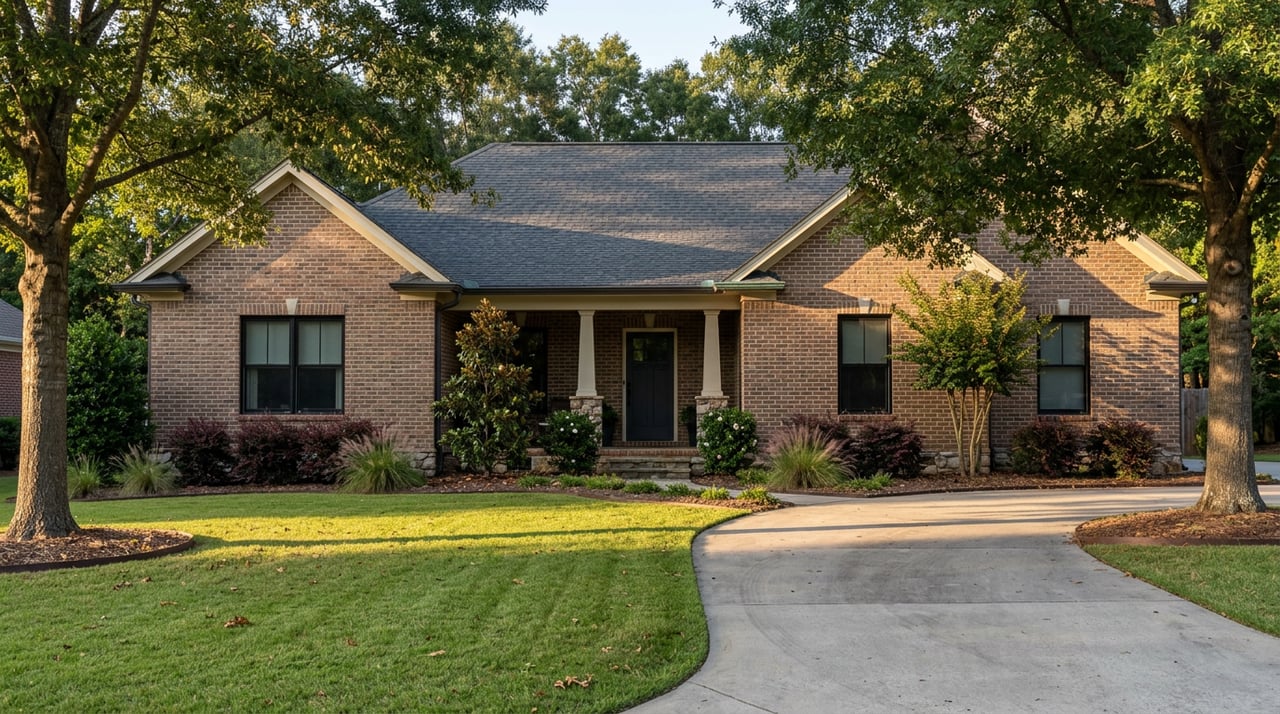
The biggest relocation mistake in Sandy Springs is treating every area and every housing type as interchangeable. In reality, a condo near transit, a townhome in a mixed-use pocket, and a detached home in a more established residential area can sit in very different price bands.
A simple way to think about it is this:
If your top priority is commute efficiency, you may choose a smaller home in a more connected pocket. If your priority is square footage or a more traditional suburban setup, you may need to accept a different commute pattern.
Before you commit to Sandy Springs, it helps to narrow your search with a few practical questions:
The answers will usually point you toward the right part of Sandy Springs faster than browsing by price alone. That is especially true in a market where housing stock varies so much by area and product type.
Sandy Springs works well for relocation because it offers something many suburbs do not: a real employment center, meaningful transit access, and a housing mix that spans apartments, condos, townhomes, and higher-priced detached homes. The tradeoff is that you need to shop carefully, because your daily experience can change a lot from one pocket to another.
If you match your commute style, budget, and preferred level of density early in the process, Sandy Springs becomes much easier to navigate. And when you do that well, you are far more likely to end up in the part of the city that actually fits how you want to live.
If you are planning a move and want help narrowing the right Sandy Springs area for your budget and commute, Sherry Poland can help you make a smart, local-informed move with less stress.
Stay up to date on the latest real estate trends.
Get assistance in determining current property value, crafting a competitive offer, writing and negotiating a contract, and much more. Contact me today.