Decatur Homes: Bungalows And New Construction Compared
March 5, 2026
March 5, 2026
Picture yourself on a shady Decatur street, waving to neighbors from a wide front porch. Now picture a fresh, light-filled kitchen with a huge island and a two-car garage steps away. Both are real options here, and both come with distinct tradeoffs. If you are torn between a classic bungalow and a newer build, you are not alone.
In this guide, you will learn how each home type feels day to day, what to expect for maintenance and energy costs, how local rules shape renovations and new builds, and how to read price signals in Decatur. By the end, you will have a clear framework to decide which path fits your lifestyle and budget. Let’s dive in.
Decatur grew up in the early 20th century, so you will see many Craftsman bungalows and other pre-1940 homes woven through walkable neighborhoods with sidewalks and mature trees. The city protects several local historic districts and uses a Historic Preservation Commission to review visible exterior changes and keep streetscapes consistent. You can learn more about district locations and approvals on the city’s page for local historic districts.
You will also see newer infill throughout the city. Some are single-family replacements on existing lots, while others are small-scale “missing middle” buildings, like duplexes or triplexes, in areas where the zoning allows them. The city’s Unified Development Ordinance and its guidance on missing middle housing shape where and how these new homes appear.
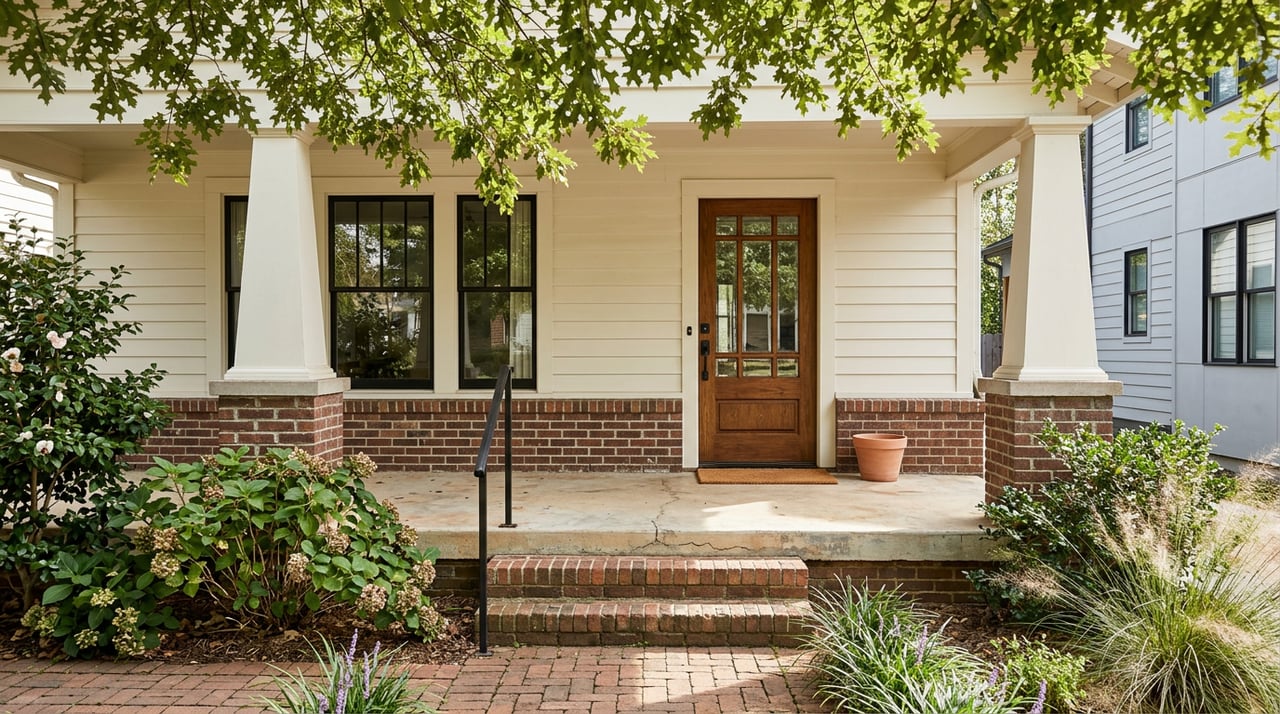
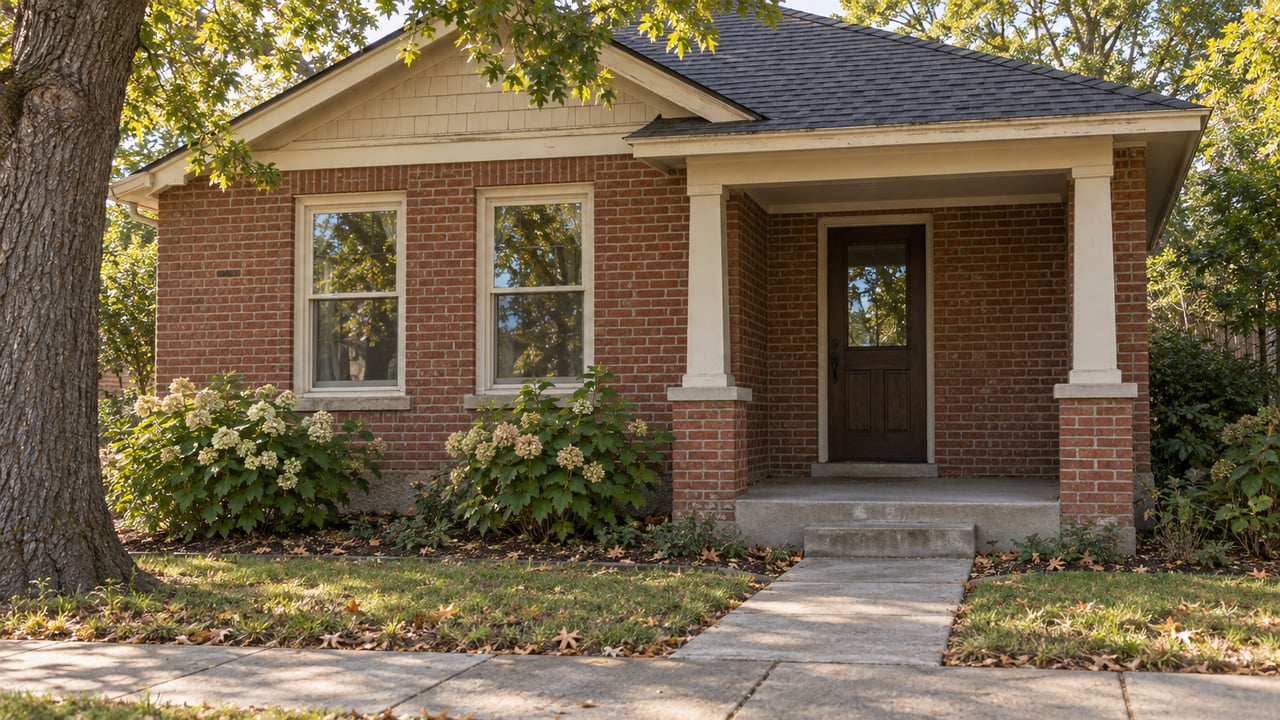
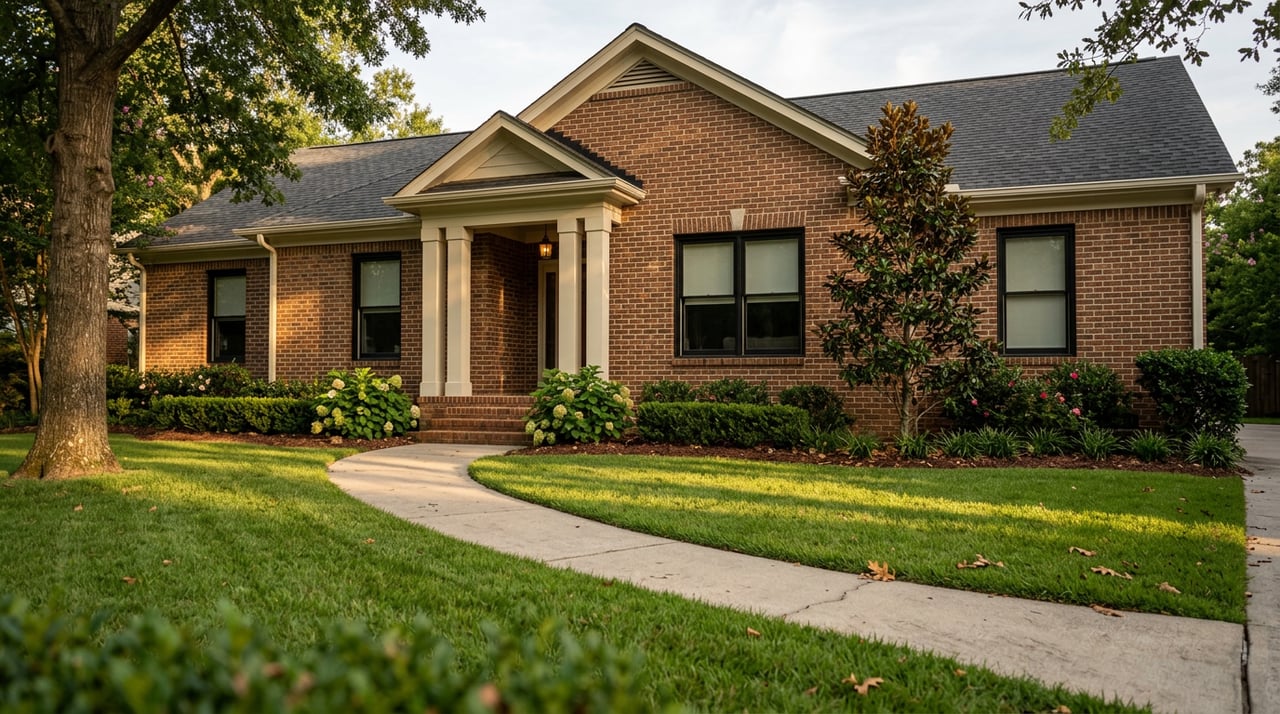
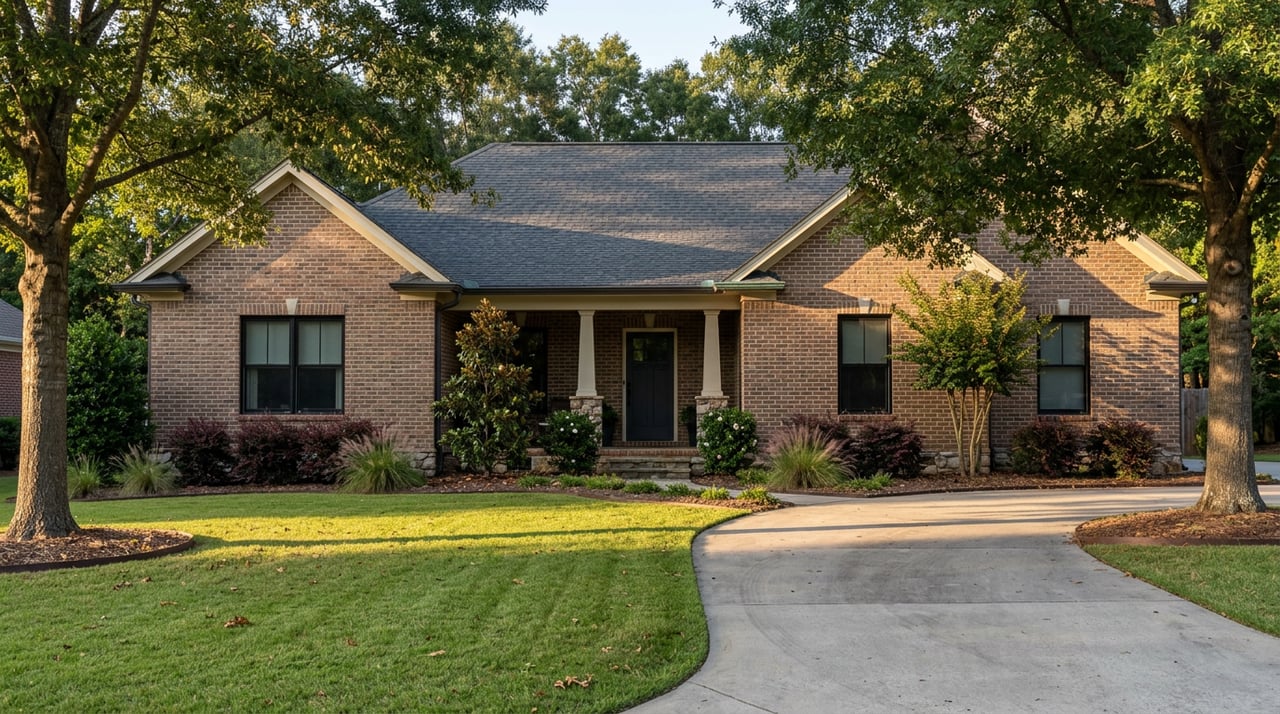
Decatur’s classic bungalows are typically one to one-and-a-half stories and about 1,000 to 2,000 square feet. Expect a central living room, a connected dining area and kitchen, and smaller bedrooms with short hallways. Front porches, low-pitched gable roofs, and original trim or built-ins are common. The city’s residential design guidelines show the porch-forward character, massing, and details that define these homes.
In daily life, a bungalow feels cozy and connected to the street. The porch is a natural extension of the living space. Inside, rooms are more defined than in modern open plans, which some buyers love for their charm and others find compact for large gatherings.
Many older homes started with single-pane windows, minimal insulation, and legacy heating or electrical systems. If upgrades have not been done, comfort and utility bills can improve significantly with air sealing, attic insulation, and modern HVAC. The Department of Energy outlines practical options and incentives in its guidance on energy-efficient home improvement credits for insulation and air sealing. Newer windows or a well-tuned mechanical system can make a noticeable difference in day-to-day comfort.
Older houses can be wonderfully durable, but age brings responsibilities. On pre-1978 homes, plan for lead-safe practices during renovations and review EPA guidance on protecting your family from lead sources. A thorough inspection should look closely at wiring, plumbing, foundation, drainage, and roof condition. The American Society of Home Inspectors notes these as common focus areas for historic homes in its overview of historic home inspections. Budget for updates if systems are original or near end of life.
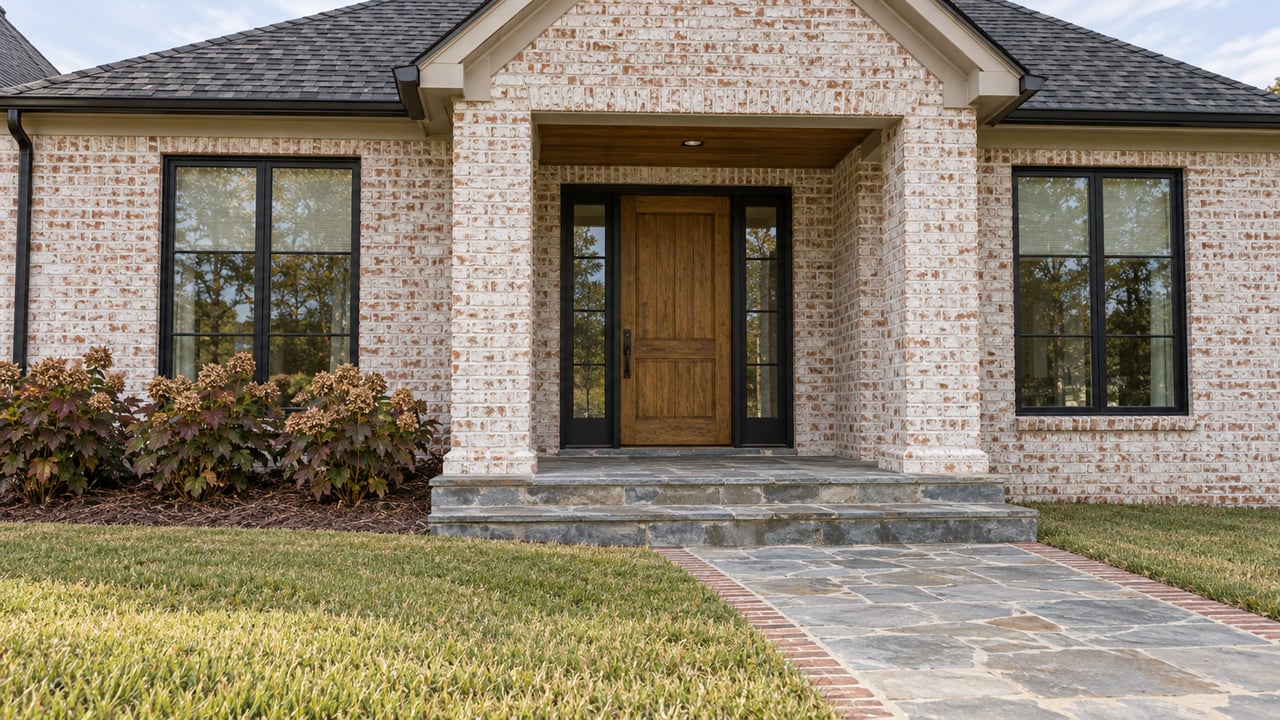
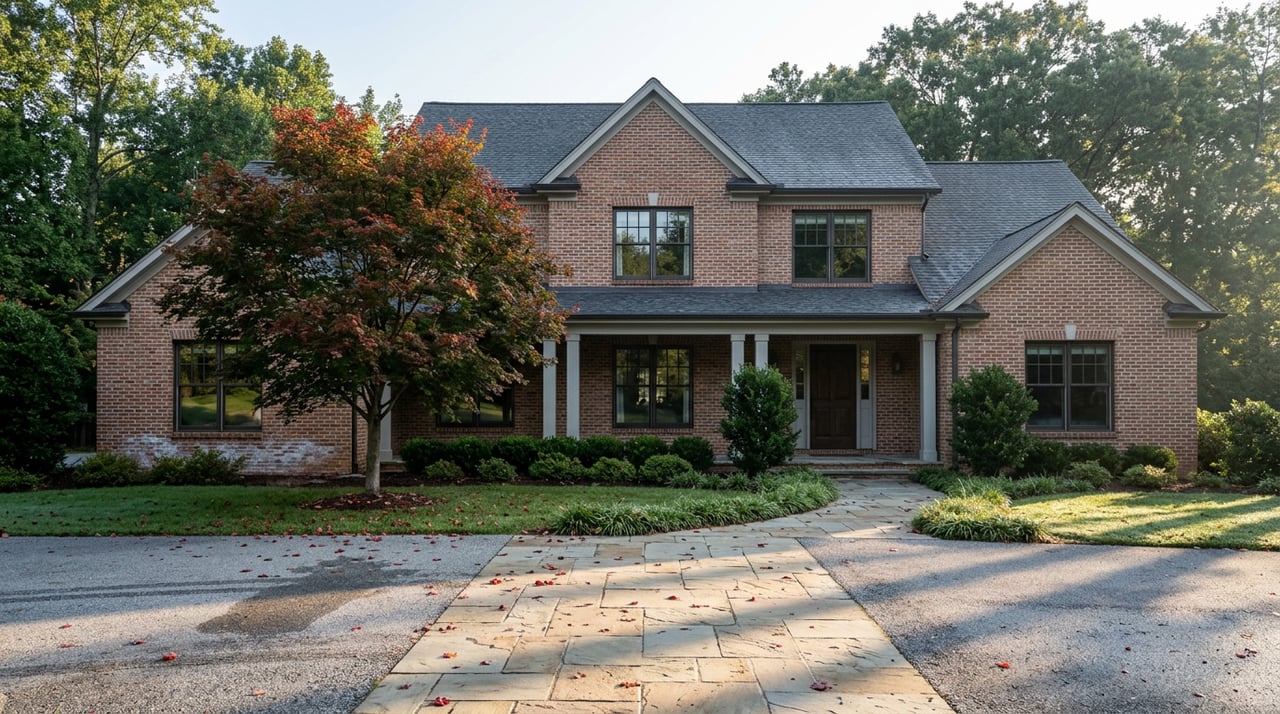
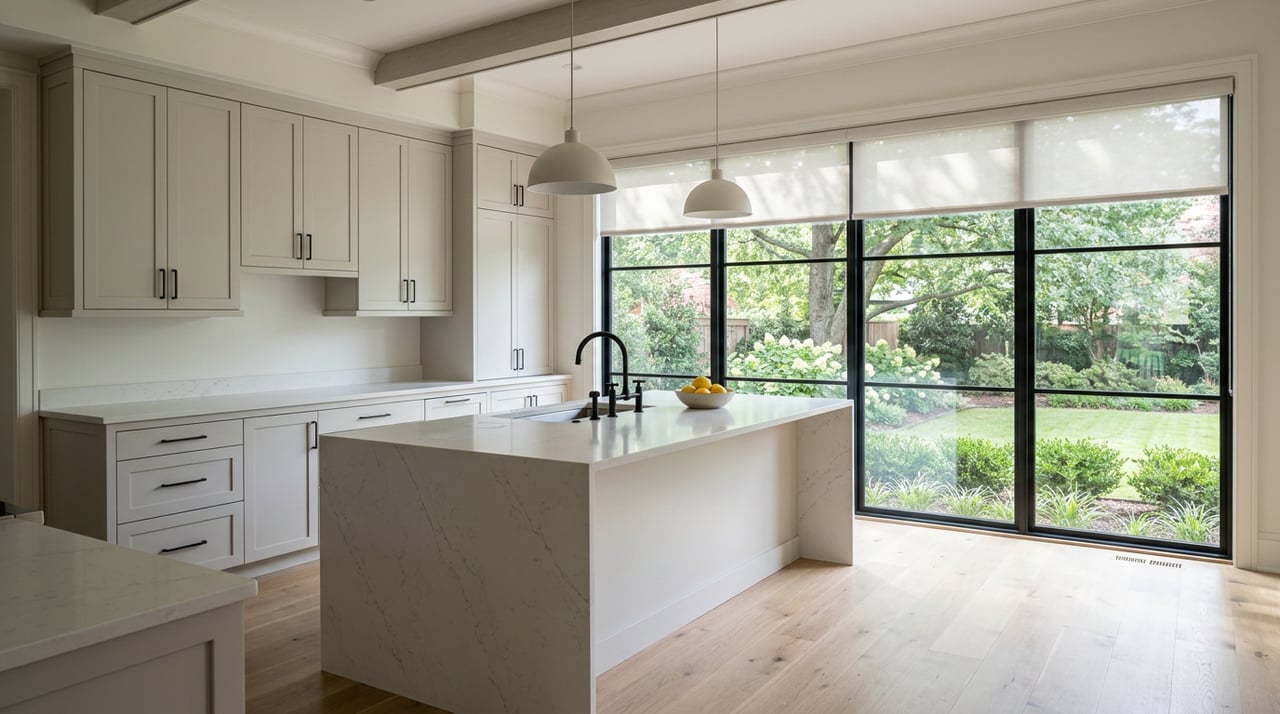
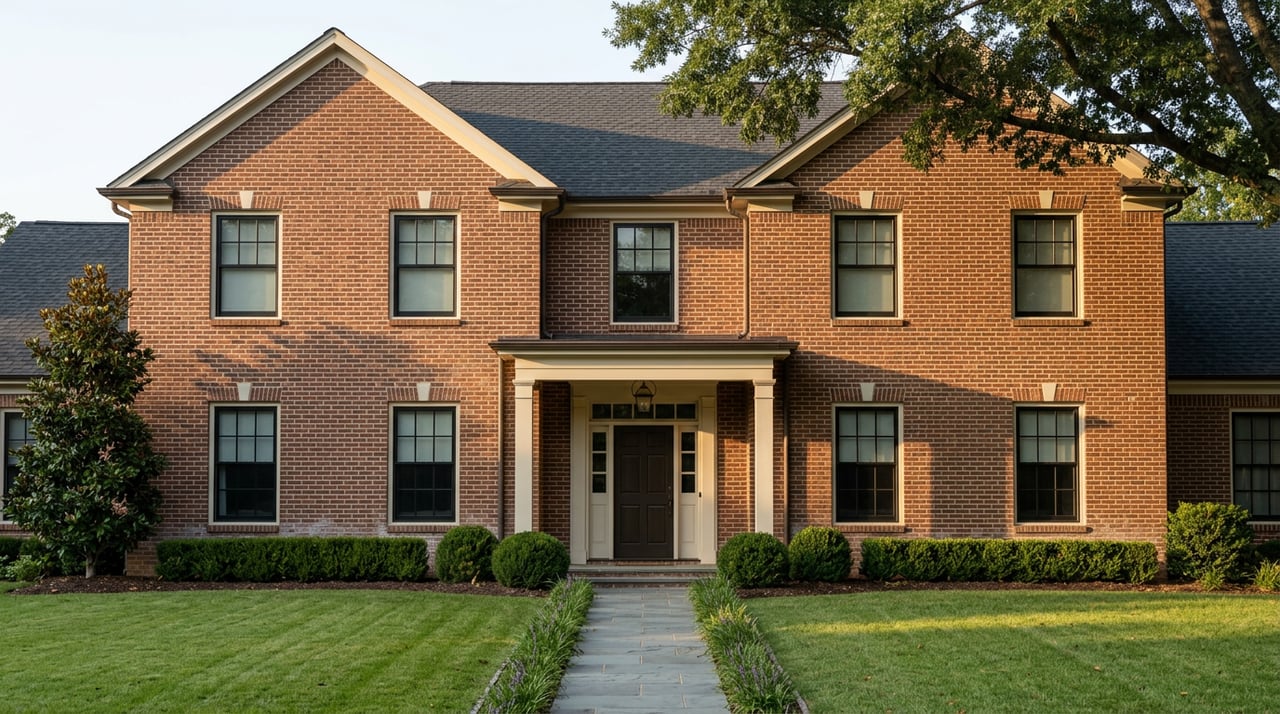
New builds and recent infill usually deliver more square footage, open kitchen and living spaces, multiple bathrooms or en-suites, and garage parking. Many have a full second story, which creates flexible bedrooms and office options. You will often see finishes and layouts designed for today’s entertaining and work-from-home needs.
Newer homes start with modern insulation and mechanicals, energy-efficient windows, and up-to-code electrical and plumbing. That means fewer immediate system concerns and often lower operating costs than an unrenovated older home. As with any property, workmanship varies, so pay attention to grading, drainage, and exterior details during your inspection.
Zoning and design standards strongly influence where and how new homes are built. Decatur’s UDO sets height, floor-area ratio, setbacks, and lot coverage, and many projects are designed right up to those limits. The city’s missing middle housing guidance explains where small multiplexes and accessory dwelling units are allowed, which makes small-scale infill more common on blocks that were once strictly single-family. If you want to see how FAR and lot coverage shape real approvals, a Zoning Board hearing like this example gives helpful context.
In local historic districts, visible exterior changes require a Certificate of Appropriateness from the Historic Preservation Commission. That process preserves the rhythm of porches, rooflines, and setbacks that make these streets special. For a snapshot of a preserved bungalow streetscape, look at Ponce de Leon Court. The city’s design guidelines show examples of additions and materials that fit the neighborhood pattern.
Outside protected areas, you have more flexibility for additions or new builds, but you still must meet the UDO’s standards for height, setbacks, floor-area ratio, and lot coverage under the Unified Development Ordinance. Decatur also allows accessory dwelling units and compatible small multiplexes in specific zones, per its missing middle housing FAQs. The practical takeaway is simple. Before you buy, confirm whether a property sits inside a local historic district and ask the city planning staff how the rules apply to your plans.
Market snapshots for “Decatur” can vary because different providers track different geographies and housing mixes. For example, Redfin reported a median sale price around $535,000 in January 2026, Zillow’s ZHVI typical-home value for Decatur was about $273,244 as of January 31, 2026, and Realtor.com cited a median figure in the mid-$200Ks in December 2025. These differences reflect the boundaries and metrics used. To compare by home type or neighborhood, rely on current local MLS data.
In general:
Use neighborhood-level pricing rather than a single citywide number when you budget.
Choose a bungalow if you want:
Choose new construction if you want:
Ready to explore homes that match your style and budget in Decatur? Reach out to Sherry Poland for tailored guidance, on-the-ground insights, and a smooth plan from first tour to closing.
Stay up to date on the latest real estate trends.
Get assistance in determining current property value, crafting a competitive offer, writing and negotiating a contract, and much more. Contact me today.