Buying a Home in Virginia Highland: What Buyers Should Expect
May 21, 2026
May 21, 2026
If you are thinking about buying in Virginia-Highland, one number will not tell the whole story. This is a neighborhood where a one-bedroom condo, a classic bungalow, and a large renovated home can sit in very different price lanes. If you want to buy with confidence, you need a clear view of home types, competition, and the extra due diligence that older intown properties often require. Let’s dive in.
Virginia-Highland is one of Atlanta’s best-known intown neighborhoods, and its appeal starts with location and character. The neighborhood takes its name from the intersection of Virginia and Highland, and it borders the BeltLine and Piedmont Park on the west, with Ponce de Leon Avenue to the south and Morningside to the north.
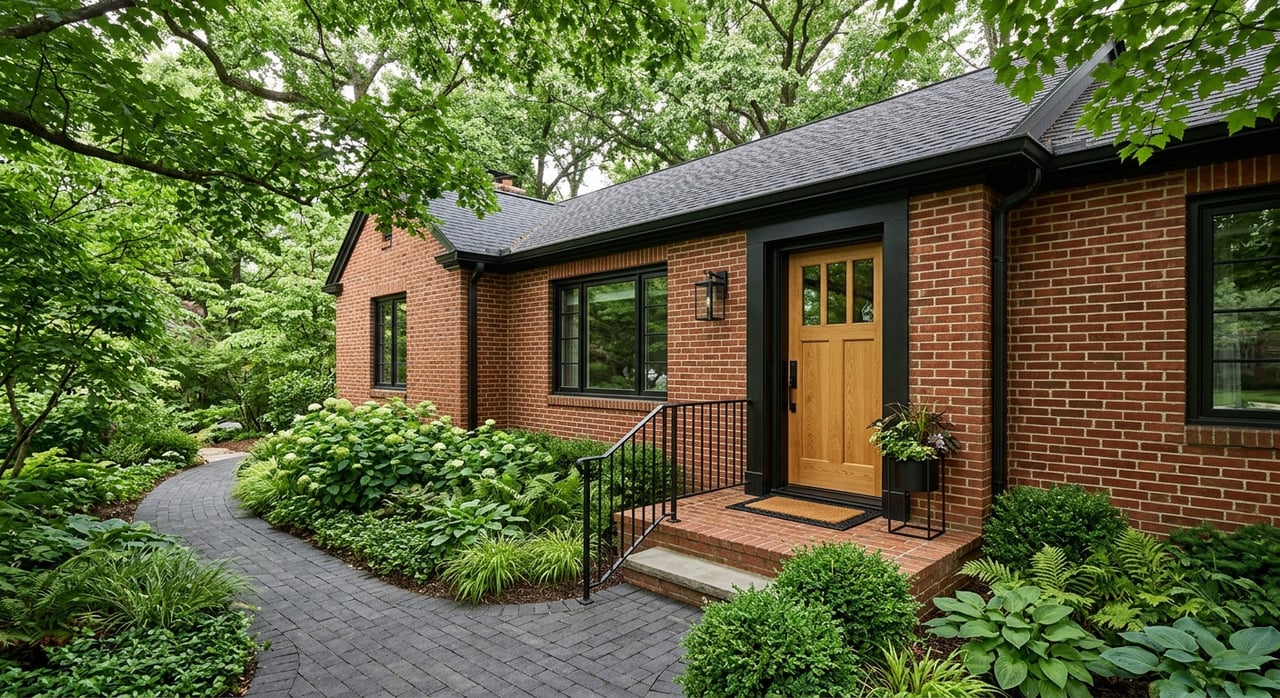
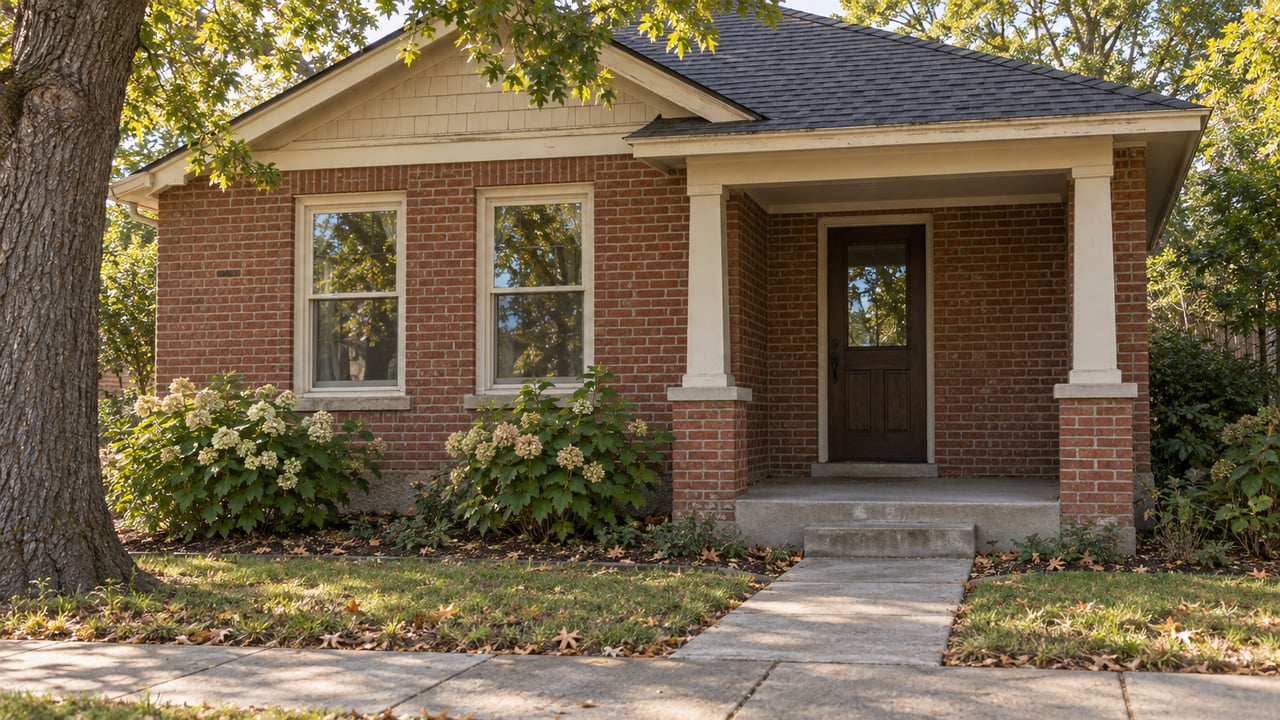
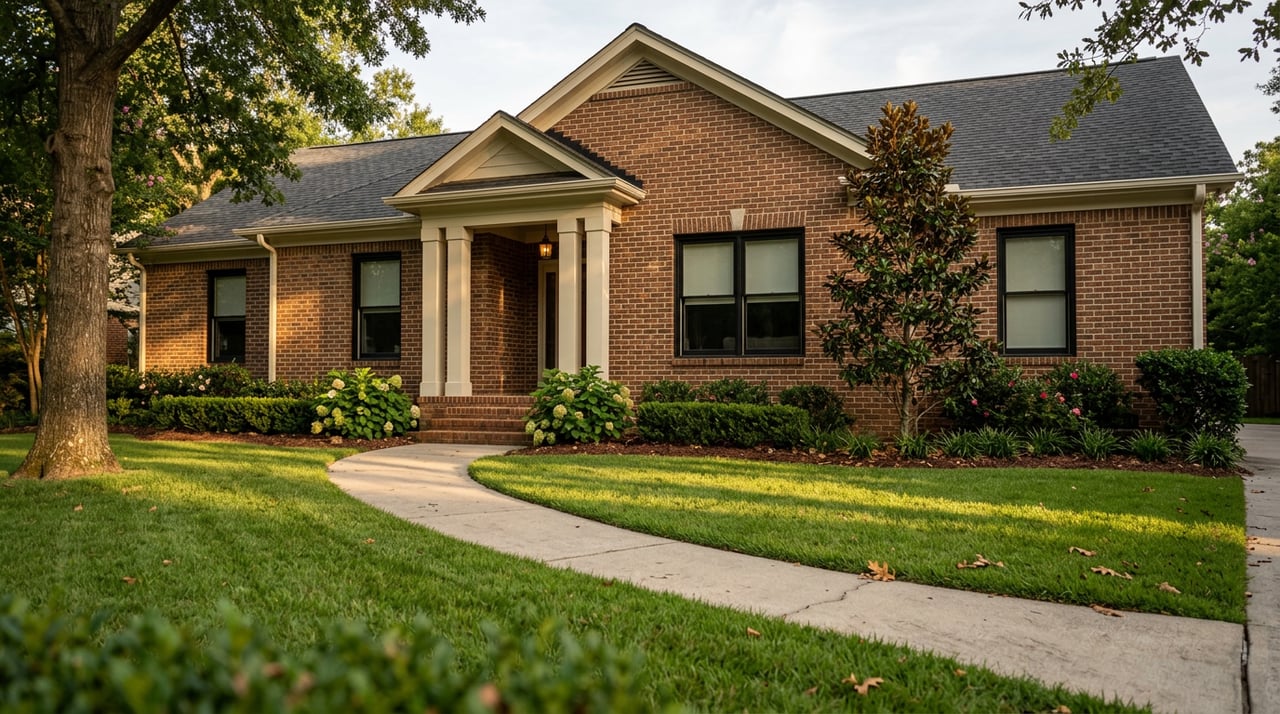
A big part of the draw is the housing stock. Much of the neighborhood developed from the early 1900s through the late 1940s, with many homes built between 1905 and 1936. You will find a mix of bungalows, cottages, Foursquare homes, and other historic styles including Craftsman, English Vernacular Revival, and Colonial Revival.
Lifestyle matters here too. Virginia-Highland has a Walk Score of 77, which Redfin classifies as Very Walkable, plus a Bike Score of 73. The district is also known for shops, restaurants, fitness and wellness businesses, and annual events like Porchfest, Winterfest, Restaurant Week, and the farmers market.
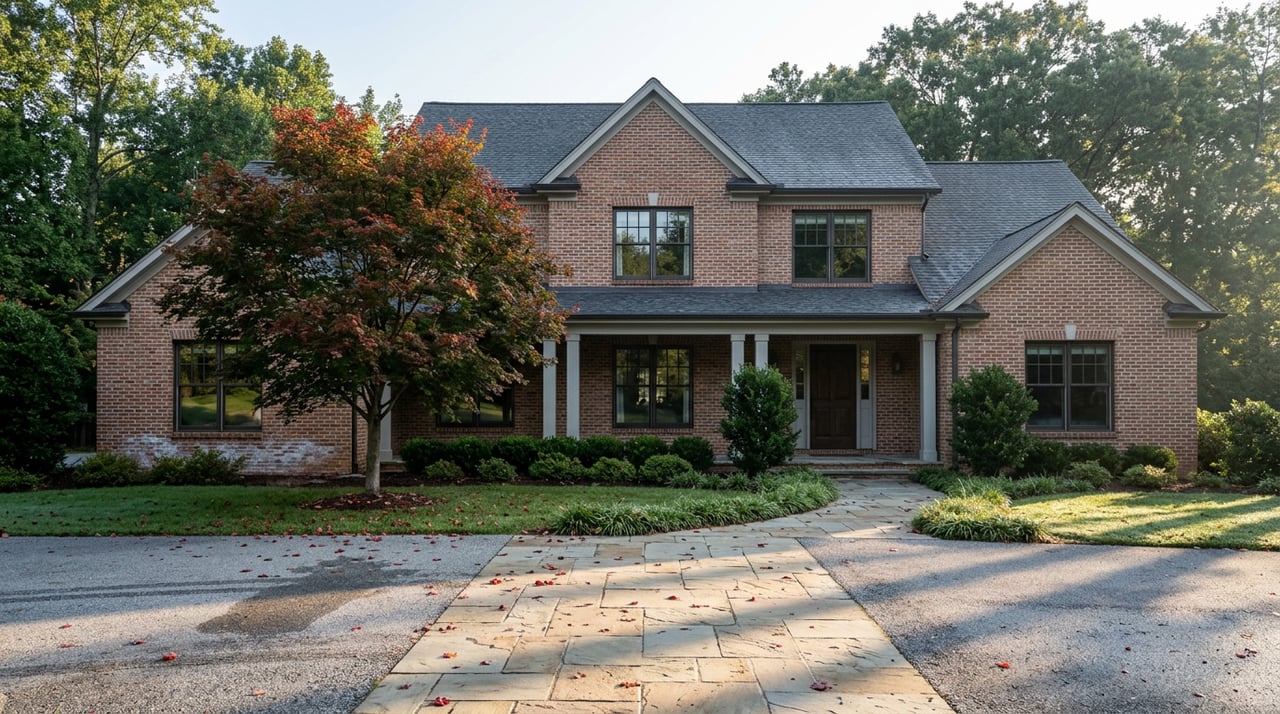
Virginia-Highland is not a one-price neighborhood. Recent sold examples cited by Redfin range from a one-bedroom condo at $240,000 to larger homes over $2 million. That spread tells you right away that property type, size, condition, and exact location matter.
Redfin’s March 2026 sold data shows a median sale price of $750,000, median days on market of 21, and a 98.7% sale-to-list ratio. It also reports that 30.4% of homes sold above list price, with some hot homes going pending in around 9 days.
At the same time, Realtor.com’s April 2026 active listing snapshot shows 41 homes for sale, a median list price of $448,500, median days on market of 42, and a 100% sale-to-list ratio. Realtor.com called the market balanced at that moment. That difference between active and sold numbers is a good reminder that you should compare homes by category, not by one neighborhood-wide median.
In Virginia-Highland, smaller condos and entry-level properties can pull active listing medians down. Meanwhile, renovated detached homes can push sold medians much higher. If you are shopping here, broad averages are only a starting point.
The smarter approach is to compare similar homes. A condo should be measured against other condos. A renovated historic house on a quiet residential street should be measured against similar detached homes, not against the entire neighborhood.
Not always, but many homes do attract strong interest. Redfin describes the neighborhood as very competitive and says many homes receive multiple offers. Some buyers even waive contingencies, though that does not mean it is the right move for every situation.
The key is to think property by property. A well-updated house in a prime block may move quickly, while a condo or a home needing work may sit longer. Buyers who assume every listing will become a bidding war can overreact, but buyers who assume they have plenty of time can miss a strong opportunity.
If you want to compete well in Virginia-Highland, your offer needs more than a solid price. Sellers often look at the full package, including financing terms, contingencies, earnest money, and closing timeline.
A few steps can help you come in prepared:
A preapproval letter is not a guarantee of financing, but the Consumer Financial Protection Bureau notes that it signals to sellers that you are likely to get a loan. In a neighborhood where some homes move quickly, that can matter.
Georgia’s consumer guidance says buyers should include a home-inspection or financing contingency so they have a way out if financing falls through or major defects are found. It also notes that earnest money is typically held by a third party until closing.
Under the current Georgia Association of Realtors purchase agreement, the due-diligence period functions a bit like an option period. Before that deadline, you can terminate for any reason and recover earnest money. You can also ask for amendments during that time, and if you do not terminate, you are accepting the property in its current condition except for any written amendments.
In a fast-moving situation, you may hear about buyers waiving contingencies. That can make an offer look cleaner, but it also increases risk. In an older neighborhood like Virginia-Highland, careful inspections and clear financing terms are often especially important.
An appraisal contingency is also negotiable. If a home appraises below the contract price, your lender’s loan amount can be affected. Some buyers reduce or waive appraisal protection to compete, but that choice should be based on your finances and risk tolerance.
Virginia-Highland has a strong neighborhood identity, but not every block lives the same way. The GAR agreement places neighborhood-condition research on the buyer, and that is especially relevant here.
Some streets feel more tucked away and residential. Others sit closer to active commercial areas, major roads, or recurring neighborhood events. That is not a negative or a positive by itself, but it does mean you should evaluate the exact location, not just the ZIP code or neighborhood name.
When you tour a home, look beyond the front door. Pay attention to traffic flow, nearby businesses, parking patterns, event activity, and what the street feels like at different times of day.
Many buyers love Virginia-Highland for its historic homes, but older properties come with a different checklist. Charm and character are real benefits, yet they should be balanced with practical planning.
Because much of the housing stock predates 1978, lead-based-paint disclosure can be an important part of the transaction. The GAR form includes a lead-based-paint exhibit for homes built before 1978 and gives buyers a 10-day right to evaluate lead hazards unless that right is waived.
You should also budget for more than the purchase price. Older intown homes may require ongoing maintenance, more detailed inspections, and updates that are not always obvious during a first showing.
If a property is located in a City of Atlanta historic or landmark district, renovation plans may involve another layer of review. The City says buyers should verify a property’s designation through its GIS or property map. Depending on the scope of work, you may need a Certificate of Appropriateness or review by the Urban Design Commission.
That does not mean you should avoid these homes. It just means you should understand the rules before counting on a future addition, exterior change, or major alteration.
If you want to buy here with less stress, preparation matters. This neighborhood rewards buyers who are financially ready, realistic about competition, and willing to do careful due diligence.
A practical plan usually looks like this:
Virginia-Highland can be a fantastic fit if you want an intown lifestyle, architectural character, and a walkable setting with established local businesses and community events. The buyers who do best here usually arrive informed, flexible, and ready to evaluate each opportunity on its own merits.
If you are weighing Virginia-Highland against other Atlanta neighborhoods or want a sharper strategy for buying intown, Sherry Poland can help you compare options, navigate the contract details, and move forward with a clear plan.
Stay up to date on the latest real estate trends.
Get assistance in determining current property value, crafting a competitive offer, writing and negotiating a contract, and much more. Contact me today.