
Living in Alpharetta GA: A Guide to Suburban Life
February 5, 2026
February 5, 2026
Thinking about putting down roots in Alpharetta but not sure what day-to-day life really looks like? You want a suburban pace, solid amenities, and a commute that works without giving up great dining and entertainment. This guide gives you a clear picture of neighborhoods, parks, schools, shopping, and commuting so you can decide with confidence. Let’s dive in.
Alpharetta sits in northern Fulton County along the GA-400 corridor and is part of the greater Atlanta metro. It blends low-rise suburban neighborhoods with a few concentrated walkable hubs. You’ll find historic blocks downtown, newer mixed-use at Avalon, and many subdivisions with yards and community amenities.
The city has grown steadily for two decades, adding retail, offices, and housing options. Many residents work in professional and technology sectors, and the area is known for convenient access to regional job centers.
Your experience depends on where you live. If you live near downtown Alpharetta or Avalon, you can walk to restaurants, coffee, and events. In most other neighborhoods, you’ll likely drive for daily errands, school pick-up, and activities.
Weekends often center on the farmers market, concerts, sports at local parks, or dinner out with friends. Seasonal festivals and city programming keep the calendar full.
Alpharetta supports an active outdoor lifestyle with a strong mix of green space and recreation.
Downtown Alpharetta along South Main Street features independent restaurants, boutique shops, and coffee spots. It feels lively on weekends with markets, live music, and community events.
Avalon offers a newer, upscale mix of national retailers, restaurants, a movie theater, and curated events. The Ameris Bank Amphitheatre brings national acts to the area, which adds to the city’s entertainment options.
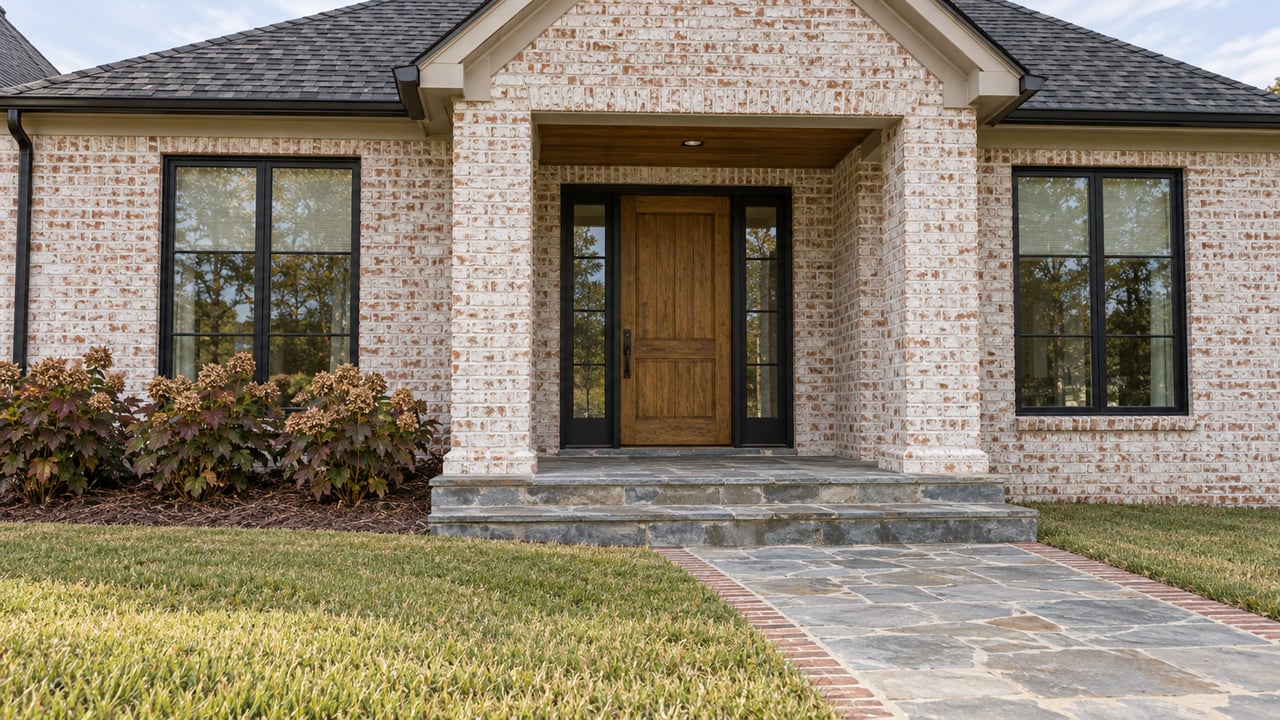
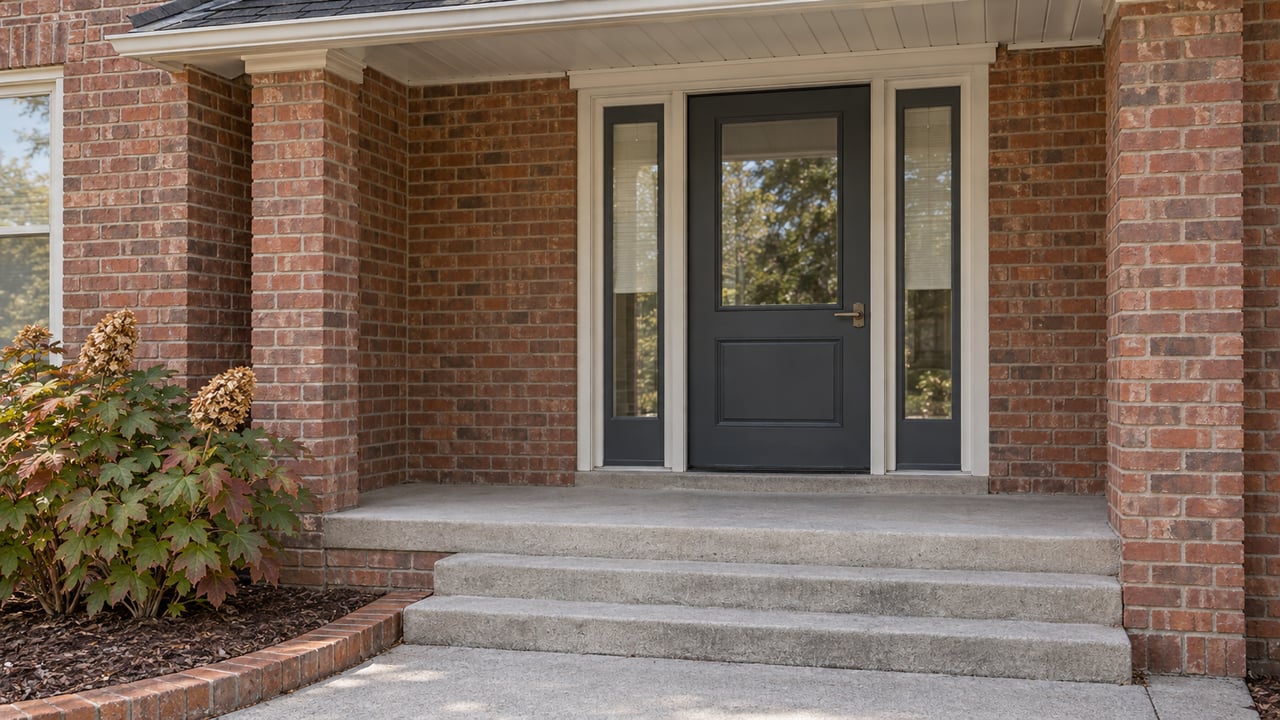
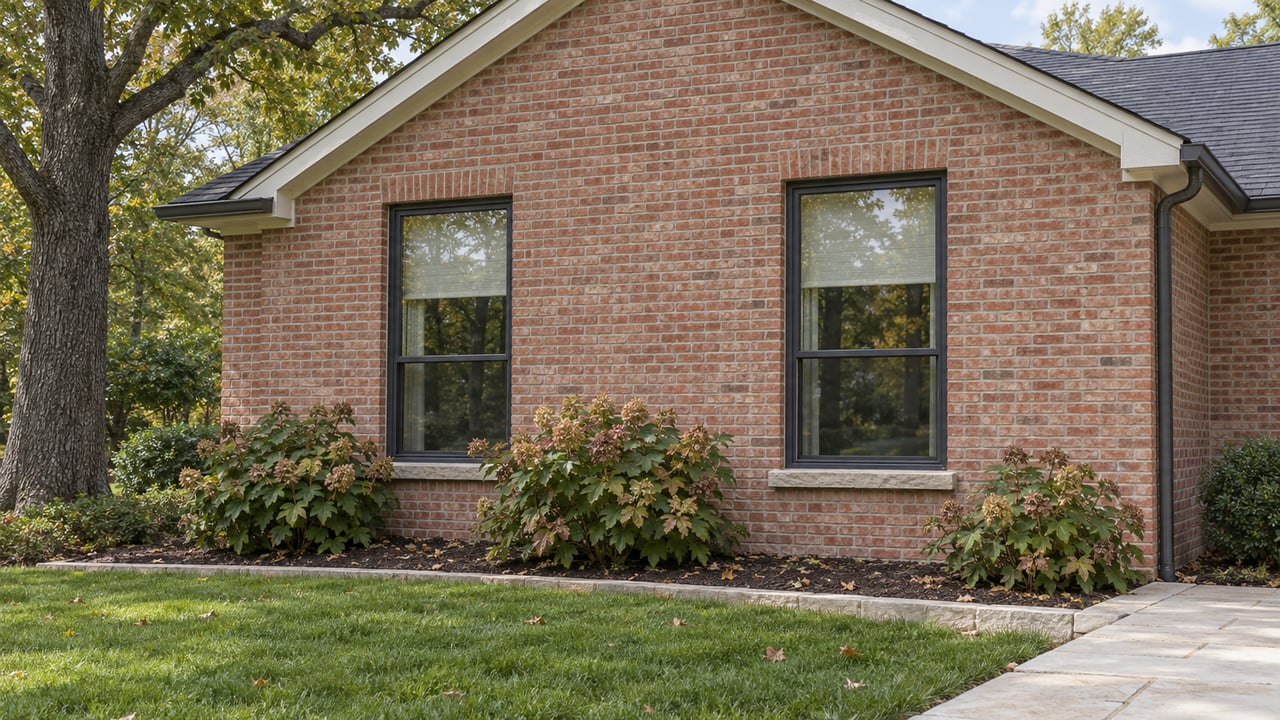
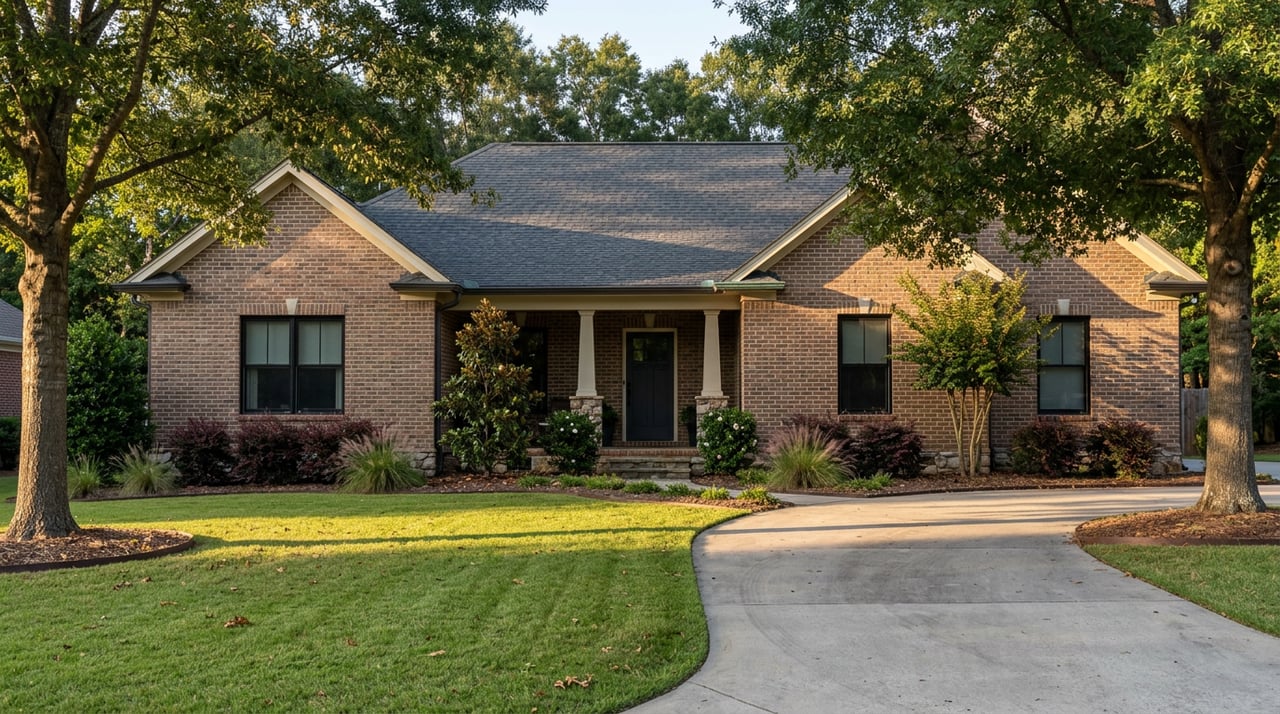
You can choose from single-family homes, townhomes, and condominiums. Townhomes and condos cluster near downtown and Avalon, while single-family homes are more common across the city’s subdivisions. New construction continues in both mixed-use areas and outlying subdivisions.
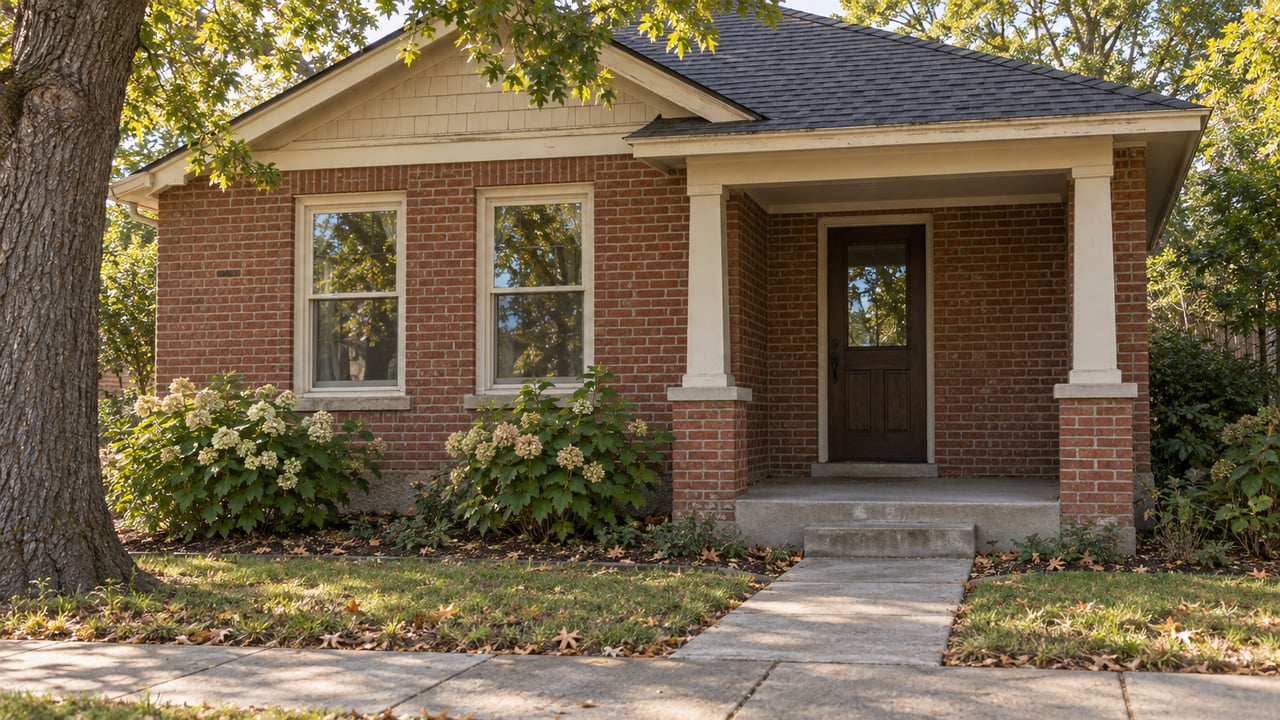
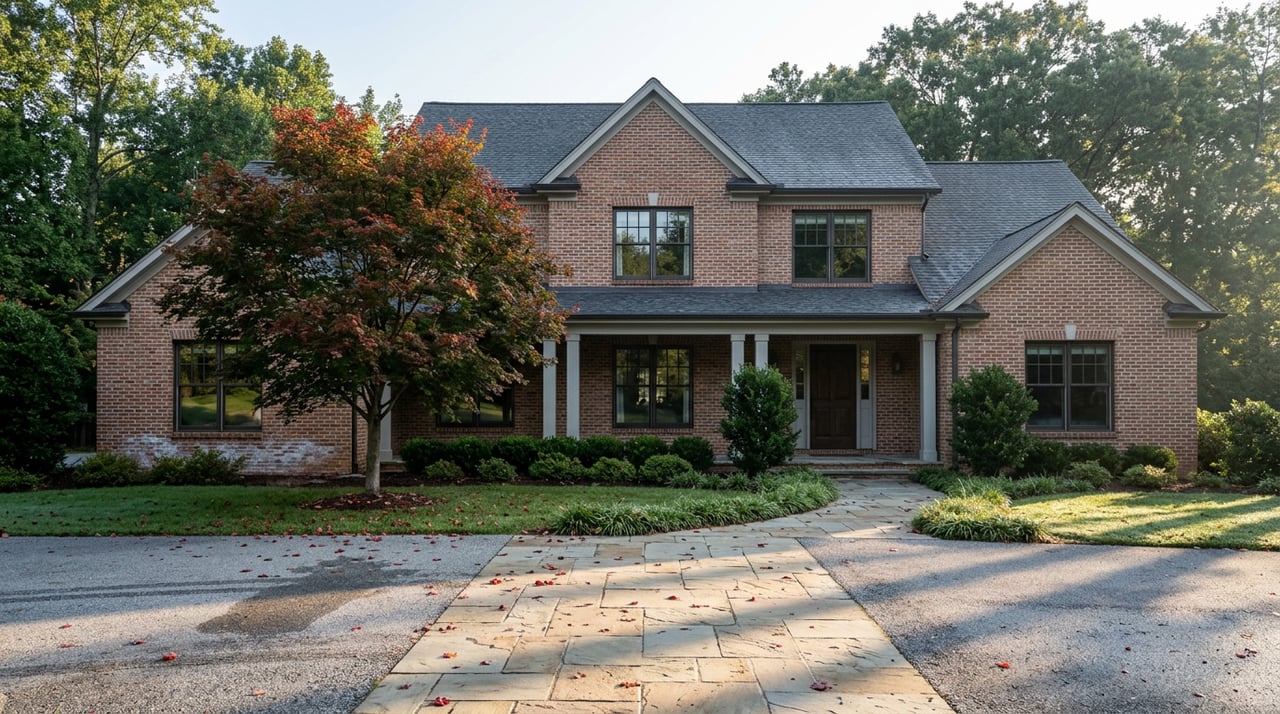
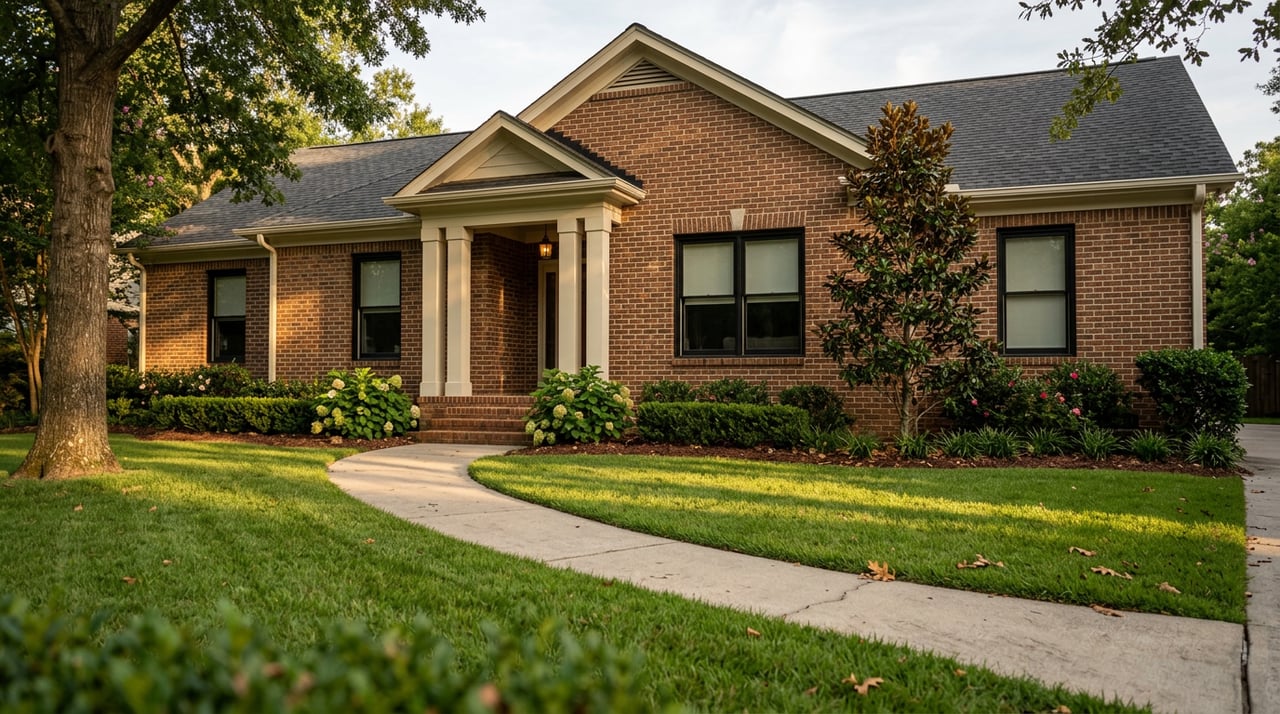
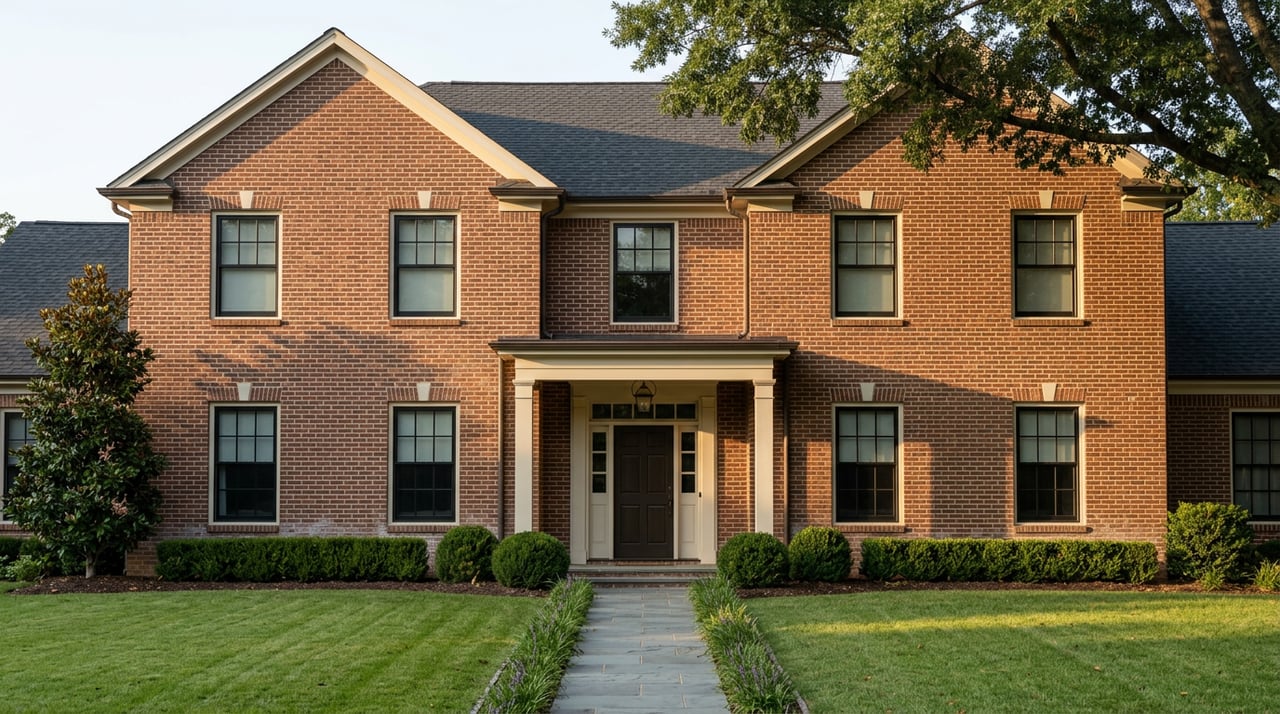
Lots and home styles vary widely. You’ll see historic bungalows closer to the core, established subdivisions with yards and HOA amenities, and newer or luxury communities with larger homes and, in some cases, gated entries.
Alpharetta is primarily served by Fulton County Schools. Many local schools report strong academic and extracurricular offerings. Private and faith-based schools are available in and near the city.
Always confirm current school boundaries and programs directly with the district and individual schools. Boundaries and offerings can shift from year to year.
Alpharetta is largely car-oriented, and GA-400 is the main route to Atlanta and nearby suburbs. Travel times vary with rush hour, so check mapping apps to sample your likely commute.
Public transit options include local and commuter bus services. There is no MARTA heavy rail station inside Alpharetta, and the nearest rail access is to the south. Walkability is strongest around downtown and Avalon, while multi-use paths like Big Creek Greenway continue to expand.
Alpharetta maintains its own police and fire services. For up-to-date crime data and comparisons, review official municipal dashboards or law enforcement sources for the most accurate picture.
City services include trash and recycling, water and sewer, permitting, and code enforcement. Property taxes are set by Fulton County, the city, and any applicable districts. For current millage rates and exemptions, consult the Fulton County Tax Commissioner.
Use this quick process to test-drive life in Alpharetta:
If you want suburban comfort with selective walkability, a robust parks network, and a lively dining scene, Alpharetta delivers. The tradeoff is that most areas remain car dependent, and housing costs are often higher than many parts of Georgia. Your best choice will depend on how you balance commute, schools, space, and access to amenities.
Ready to compare neighborhoods, narrow your search, or plan a sale with premium marketing support? Reach out to Sherry Poland for local guidance, relocation support, and a clear plan from first tour to closing.
Stay up to date on the latest real estate trends.
Get assistance in determining current property value, crafting a competitive offer, writing and negotiating a contract, and much more. Contact me today.