Living Near the River in Roswell, GA: A Buyer’s Guide
July 2, 2026
July 2, 2026
If you picture river living in Roswell as a resort-style waterfront scene, it helps to reset that expectation right away. Living near the Chattahoochee here is really about being close to protected green space, trails, public parks, and outdoor recreation that shape your day-to-day lifestyle. If you are thinking about buying near the river, this guide will help you understand what the area feels like, what practical tradeoffs matter, and what to look for before you make a move. Let’s dive in.
In Roswell, the Chattahoochee River is part of the Chattahoochee River National Recreation Area, a protected river corridor that stretches 48 miles across 16 units. That means the river experience is centered on nature, recreation, and conservation rather than private waterfront entertainment districts.
For you as a buyer, that usually translates into a quieter, greener setting with strong public access to trails and river activities. It is more accurate to think of this part of Roswell as living beside an outdoor amenity zone than living in a dense riverwalk neighborhood.
The recreation area is day-use only from dawn to dusk year-round. Camping is not permitted, and there are no lodging or restaurant facilities inside the park boundary, which reinforces the area’s low-key, outdoors-focused character.
One of the biggest advantages of living near the river in Roswell is how many public access points you can actually use. The river lifestyle here is not just scenic from a distance. It is built around parks, launches, trails, and places where you can spend time outside on a regular basis.
Vickery Creek and Old Mill Park are some of Roswell’s best-known river-adjacent destinations. The area includes trails, a covered bridge, mill ruins, an overlook for the historic dam and waterfall, and access to National Park Service walking trails.
The Vickery Creek unit includes 7.4 miles of hiking trails, making it one of Roswell’s most significant trail areas near the river. The park is open daily from one hour before sunrise to one hour after sunset, with free admission and free parking.
One important detail for buyers is that water access at the waterfall is currently suspended. On busy days, parking can also be limited, so it is smart to view river access as a major lifestyle perk, but not assume every feature will always be fully open or easy to reach.
Riverside Park is one of the most practical and family-friendly amenities in the river zone. The city lists a canoe and kayak launch, fishing docks, river and creek access, trails, a playground, a sprayground, an outdoor stage, and free Wi-Fi.
This is the kind of amenity that can become part of your regular routine. Whether you want a quick walk, a paddle on the weekend, or a place to spend time outdoors, Riverside Park helps make river living feel usable rather than just scenic.
Roswell also hosts Riverside Sounds here, a free outdoor concert series on the first Saturday of each month from May through October. That adds a seasonal community rhythm to the area, especially in warmer months.
Roswell River Landing is the city’s premier riverfront venue and the only Roswell venue directly on the Chattahoochee River. It includes an observation deck over the river and a canoe and kayak launch, and it sits close to Roswell’s river walkway.
Azalea Park adds another valuable access point with a canoe and kayak launch, fishing, river and creek access, trails, a playground, and free Wi-Fi. For buyers, this network of parks matters because it gives you multiple ways to enjoy the river depending on the season and your routine.
Living near the river in Roswell is not the same in January as it is in July. The area has a real seasonal rhythm, and that is part of its appeal.
Summer is when river living becomes most active and visible. Roswell’s NOC outpost rents canoes, kayaks, rafts, tubes, paddleboards, and bicycles, with shuttle service, from Memorial Day weekend through Labor Day.
If you want a lifestyle built around paddling, tubing, or spending long weekends outdoors, summer is the peak season for that experience. It also tends to bring more activity and more people to the area, which is worth keeping in mind if you prefer a quieter pace.
The river corridor also has strong appeal outside the summer rush. The Chattahoochee banks bloom in early spring, and winter can be a great time to take in views that are harder to see when foliage is full.
The National Park Service notes that the Ivy Mill ruins in Roswell are especially visible in winter when vegetation is leafless. If you enjoy walking trails year-round, the off-peak seasons can feel especially rewarding.
Fishing is a year-round draw on this stretch of the river, but it is regulated. The Chattahoochee from Buford Dam to the mouth of Peachtree Creek is a designated trout stream with special trout rules, and anglers age 16 and older need a Georgia fishing license plus a trout stamp.
For pet owners, the river corridor can also be a great everyday amenity. Dogs are allowed, but they must be leashed, and leash length may not exceed six feet.
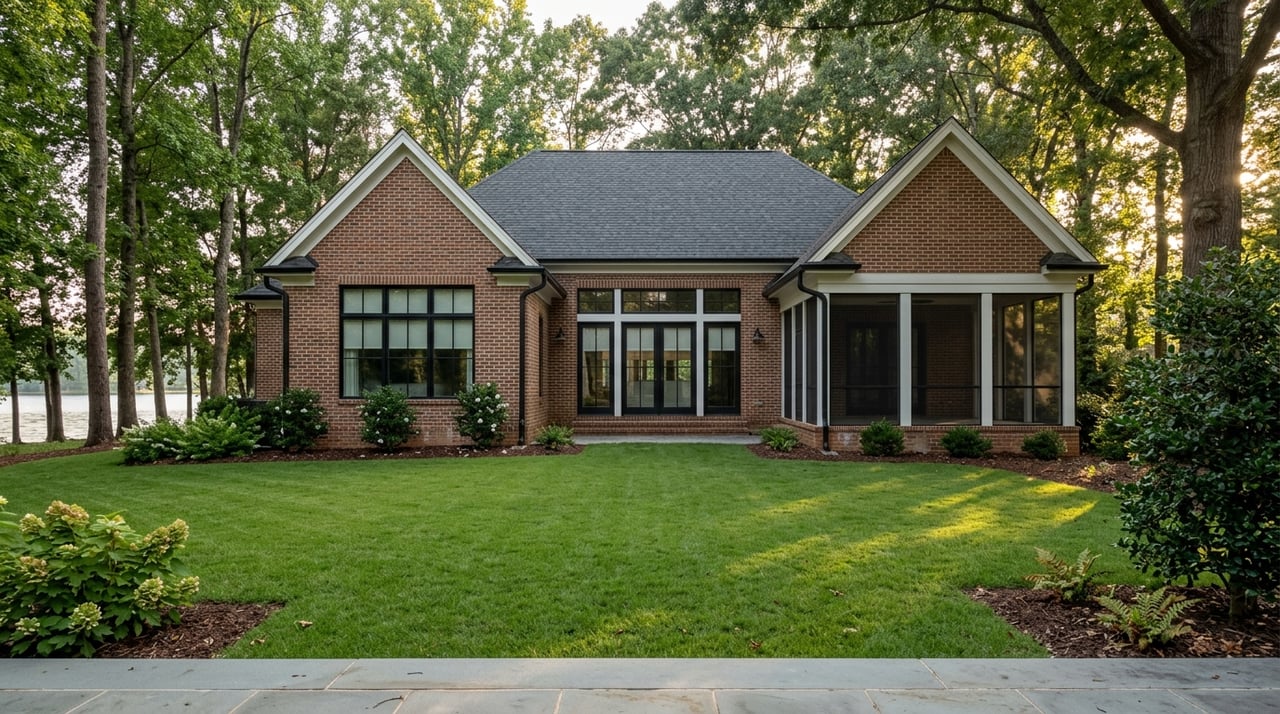
If you are hoping for towers, new waterfront districts, and a highly urban feel, Roswell’s river areas may not match that vision. The city’s planning documents consistently emphasize preservation, established neighborhood character, and design guidelines intended to maintain Roswell’s identity.
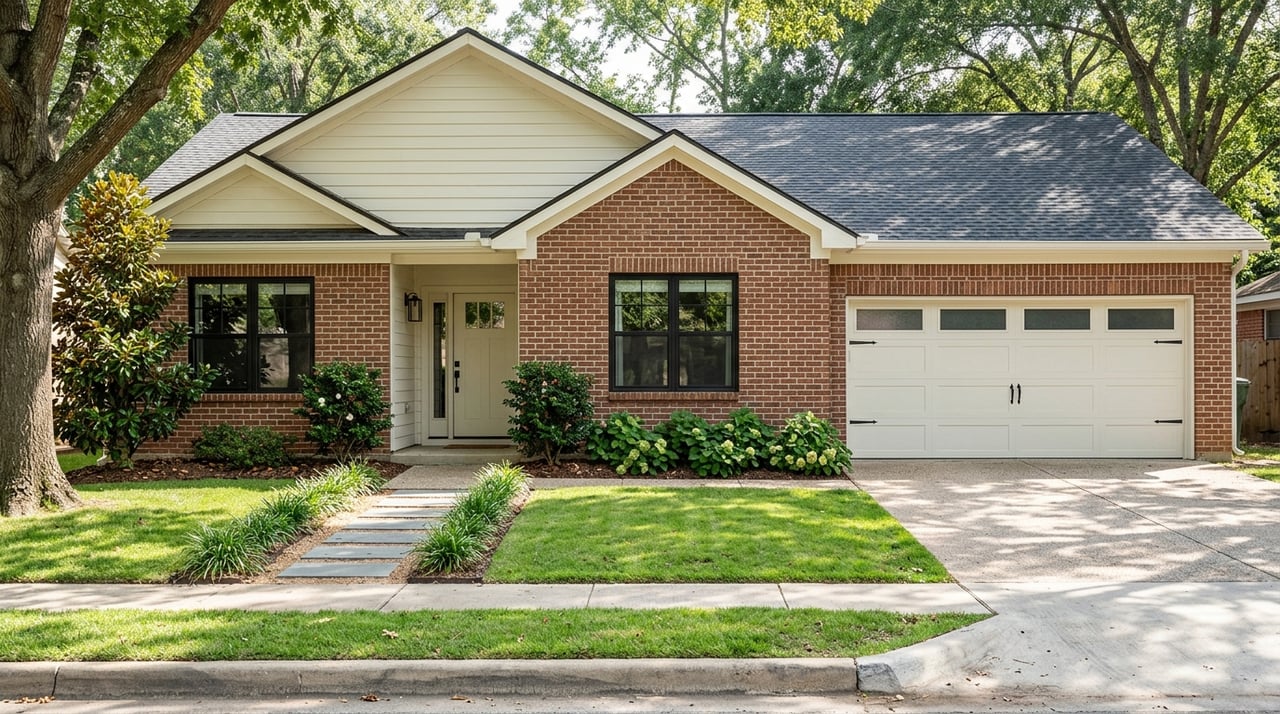
That helps explain why river-adjacent housing in Roswell often feels leafy, low-rise, and character-driven. While this is an inference from the city’s planning and preservation framework rather than a formal housing inventory, the likely mix includes older detached homes, historic properties, renovated cottages, and selective infill closer to downtown and Historic Roswell.
The historic setting is reinforced by city-owned landmarks such as Barrington Hall, Bulloch Hall, and Smith Plantation. The larger takeaway for you is simple: near the river in Roswell usually means established surroundings, mature trees, and close access to parks and trails rather than a high-density waterfront district.
The biggest practical consideration when buying near the river in Roswell is flood risk. According to the city, 10% of Roswell is in or near a 100-year floodplain, and flood hazard areas can be subject to periodic inundation.
Roswell has also restricted development within the 100-year floodplain. Flash floods can occur in spring, summer, and fall, so it is wise to check flood maps, drainage patterns, and insurance options early in your home search.
This is one of those issues that can affect both your monthly costs and your long-term comfort with a property. Even homes that feel close to the river in a positive way may come with site-specific drainage or topography questions that deserve careful review.
Stormwater is not just a city planning topic. It can directly affect your experience as a homeowner.
Roswell says its stormwater utility helps prevent flooding and protect property from damage, which reflects the ongoing importance of runoff and aging infrastructure. In river-adjacent areas, creek corridors, drainage easements, and lot grading can all play a role in maintenance, usability, and future resale.
If you are serious about a home near the river, it helps to look beyond curb appeal. Pay attention to how the lot sits, where water may flow, and how the property connects to nearby creeks, wooded areas, and public easements.
Another thing that stands out about living near the river in Roswell is that nature is not just background scenery. Wildlife viewing is part of the everyday experience in the Chattahoochee corridor, and the National Park Service describes the area as a place to observe animals in their natural habitats.
Roswell also says it is a Certified Community Wildlife Habitat and encourages native plantings and habitat-friendly yards. For many buyers, that adds to the appeal of the area and supports a more natural, less overbuilt feel.
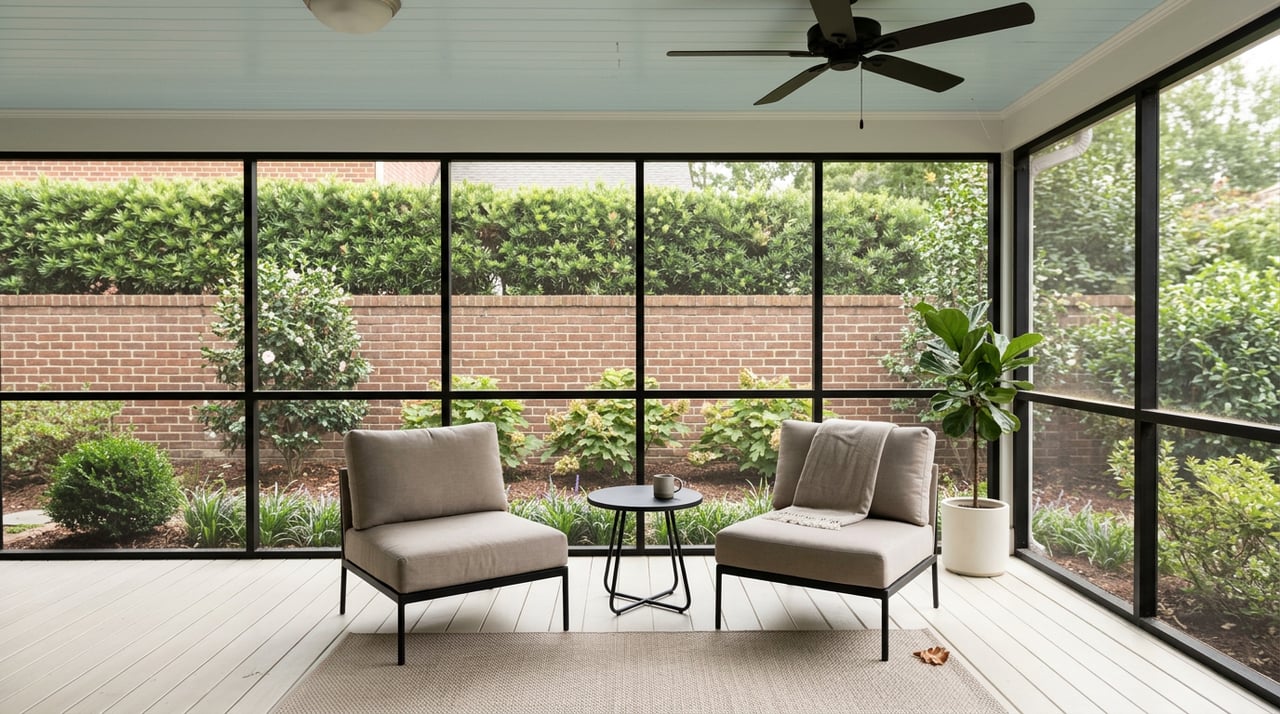
This can shape what you want in a property too. If you are drawn to mature trees, privacy, and a stronger indoor-outdoor connection, river-adjacent parts of Roswell often align well with that lifestyle.
Living near the river in Roswell offers a lot to love, but it works best when your expectations match the reality of the area. You are choosing access to trails, paddling, scenery, and established neighborhood character, not a resort environment.
A helpful way to think about it is this:
If that balance sounds appealing, the river corridor can be one of the most distinctive lifestyle choices in Roswell. The key is knowing how to evaluate both the experience and the property details before you buy.
If you want help narrowing down Roswell neighborhoods, comparing homes near the river, or understanding how a specific property fits your goals, Sherry Poland can help you make a confident move with local insight and personalized guidance.
Stay up to date on the latest real estate trends.
Get assistance in determining current property value, crafting a competitive offer, writing and negotiating a contract, and much more. Contact me today.